|
 |
Endurance Mindset · 🇺🇸 |
Home•Blog•News•Run With Us•Apply•Plans•Store
|
🌍 ¿Recibes esto en el idioma equivocado? Actualiza tus preferencias en el pie → Español 🇪🇸 |
 |
|
👋🏻 Hey Reader!
Thursday September 10
Before today's topic, I want to pause for a moment.
|
|
Medellín · September 6
Last Sunday, a 20-year-old runner named Juliana collapsed while running the 21 km at the Medellín Marathon. Mayor Federico Gutiérrez reported that she suffered a cardiac arrest. She received care on the course and was rushed to hospital, but died on Monday evening.
She was 20. She was doing something she loved, surrounded by 26,000 people who love the same thing.
To her family and her loved ones, my deepest condolences. And to the entire Colombian running community — a community I was part of for ten years living in Bogotá — a big hug.
I won't speculate about causes; that belongs to the doctors and her family. The only thing I'll say, because I think it needs saying calmly: in young athletes, these episodes almost always have an underlying cardiac condition behind them that nobody knew was there. It isn't that running is dangerous. It's that some things are only found if somebody looks for them.
|
|
|
|
With that said, on to today's topic — which has more to do with the above than it might seem.
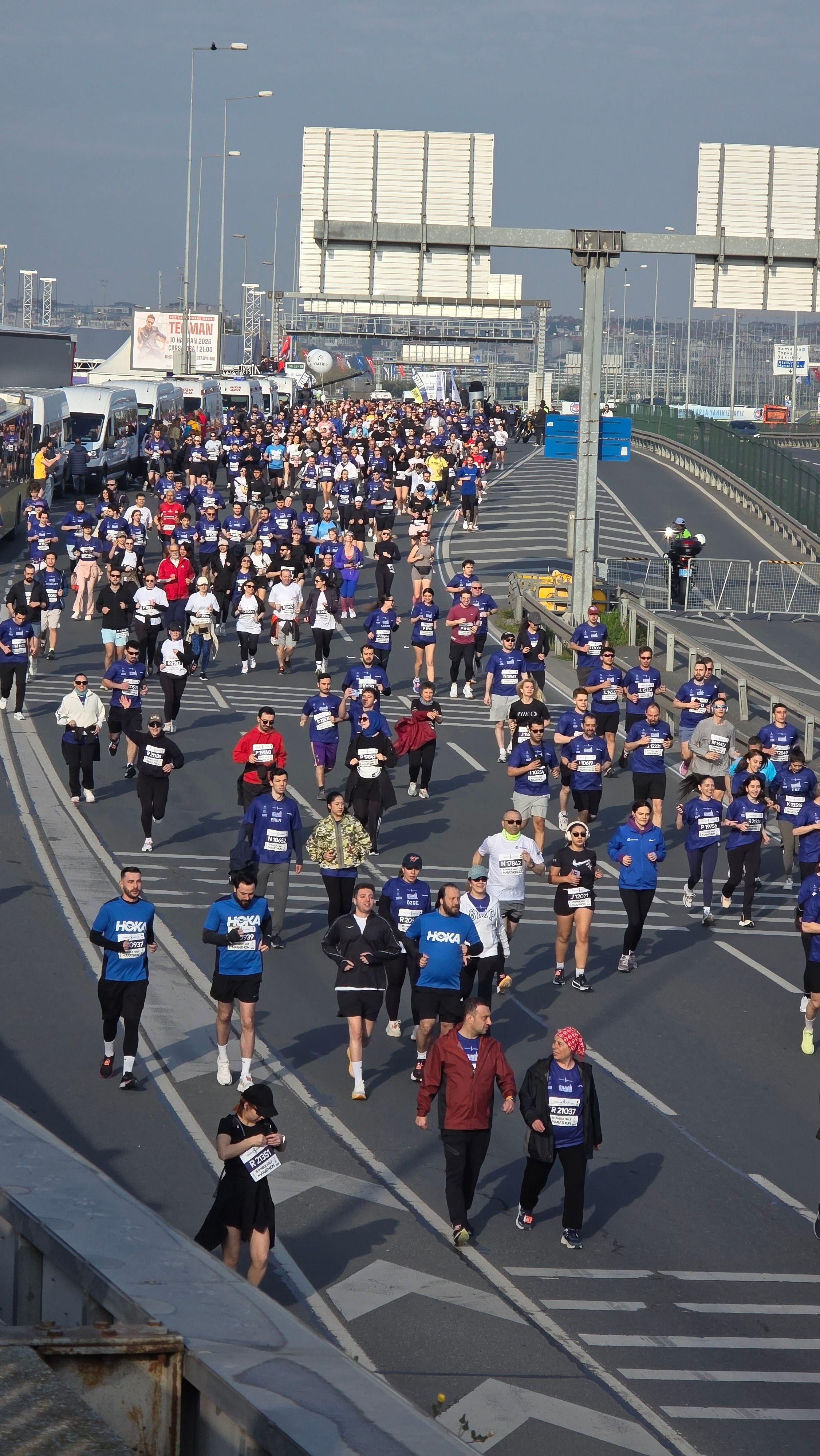
There are fewer than four months left in 2026. If you have a marathon sitting on your list, there's still a window — but it closes soon.
|
|
🍂 Why I've spent all September on this
You'll have noticed this month's newsletter is heavy on marathon. It isn't coincidence, and it isn't only about Chicago.
Autumn is the marathon's ideal season, and the reason is physiological: you race best between 7 and 12 °C. Heat is the number one enemy of long-distance performance — it forces the body to divert blood to the skin to cool down, blood the muscles need. That's why the northern hemisphere's big marathons cluster between September and November, and why the hard block falls in summer.
But there's a second window almost nobody uses, and it's the one this email opens.
|
|
The races still ahead
End of year: December brings Valencia, one of the fastest courses in the world, and the San Silvestre races on the 31st — from Madrid to half of Latin America. Cold, party atmosphere, and zero heat excuses.
Early 2027: January opens with Houston, February with Seville, March with Tokyo. If you start today, you reach any of them with the full block — no rushing.
|
|
|
The count that matters
You need 14 to 18 weeks.
Start this week and you make it.
|
|
|
🩺 Step 1: the check-up nobody wants to do
Before we talk mileage, let's talk about your heart. Not to scare you — so you train with real information.
Prolonged effort produces transient elevations in cardiac biomarkers and changes in ventricular function that normalise with adequate recovery. The problem appears when there is no adequate recovery — or when an undiagnosed underlying cardiac condition exists [PMID:40667749].
Get the check-up, especially if:
|
| › |
You're over 35 and have never had a cardiovascular stress evaluation |
| › |
There's family history of cardiac events before age 55 |
| › |
You smoke, have elevated blood pressure, or come from a mostly sedentary life |
| › |
You feel palpitations, dizziness or chest pain during effort — even mild effort |
A consultation with a resting ECG, and a stress test if your doctor thinks it's warranted, costs a fraction of a marathon entry fee. It's the cheapest investment in this whole process.
|
|
📊 Step 2: assess your starting point honestly
You can't build a marathon plan on a base that doesn't exist. Three questions, answered honestly:
|
| 1 |
How many kilometres do you run per week, on average, over the last 4 weeks? |
| 2 |
Can you run 10 km continuously without walking, and without joint pain the next day? |
| 3 |
Have you had recurring injuries in the last 12 months? |
|
|
UNDER 15-20 KM/WEEK
A marathon in under 16 weeks is mathematically possible but physiologically risky. My recommendation: half marathon this year, full marathon next season with a solid base. It isn't a lack of commitment — it's smart sequencing.
|
|
|
25-30 KM/WEEK CONSISTENTLY
Then we have enough runway. You can target the marathon with a well-built 16-week block.
|
|
|
|
🗓️ The 16-week skeleton
|
| WK 1-4 |
Base consolidation
4 runs a week, all in the conversational zone. Increase volume by no more than 10% per week. No speed here, no heroics. Just consistency.
|
| WK 5-9 |
Specific endurance
The long run climbs gradually to 24-26 km. Add pace segments: short blocks at goal pace inside an easy run, so the body learns that cadence without exhausting itself.
|
| WK 10-13 |
Volume peak
The hardest phase. The long run peaks (28-32 km) and a weekly threshold session comes in. Here sleep and recovery weigh as much as the training itself.
|
| WK 14-16 |
Taper
Drop volume 40-60%, keep light intensity, prioritise sleep. Most first-timers overtrain right before the race out of anxiety. Resist it.
|
|
|
Signs that demand you stop and consult
→ Chest pain or tightness during or after running
→ Dizziness, blurred vision or fainting
→ Palpitations that don't settle when you slow down
→ Disproportionate fatigue lasting more than 48-72 hours after a moderate session
→ Unusual swelling in ankles or legs with no clear mechanical cause
This isn't paranoia. It's the same vigilance I apply with my athletes and with myself, competing on the track in my forties: serious training demands serious attention to what the body signals.
|
|
|
Yes, it's doable — with respect for the process
Running your first marathon before year-end is completely possible with 14-18 weeks of structured preparation — provided you start with a minimum base, an honest medical check, and a plan that respects progression rather than forcing it.
The marathon doesn't reward last-minute heroics. It rewards boring consistency, week after week, and the humility to listen when the body asks for a pause.
If you're thinking about taking this step, start with the doctor's appointment this week — not the first long run. Everything else comes after, more safely.
|
|
|
🎯 Want me to build it with you? |
|
If you're going to attempt this, the difference between reaching the finish line and reaching the physio is in how those 16 weeks get dosed for your body — not for the generic body a downloaded plan was written for.
I build the plan around your real base, your injury history and the hours you actually have. And I adjust it every week based on how you respond.
But before anything else, if you apply and haven't had the check-up yet, that's the first thing I'll ask you for. No exceptions.
APPLY FOR COACHING →Limited spots — I work with a small number of athletes at a time.
|
|
|
Your question today
When was your last cardiovascular check-up?
If the answer is "never" or "I don't remember", that's your task this week. Reply when you have the appointment booked.
|
|
Tomorrow: beginners, part 3 — nutrition basics. |
|
🎁 Run together, earn rewards
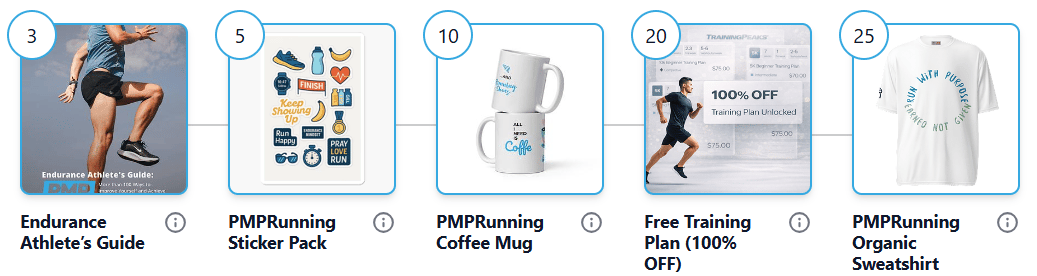
Know someone this email would help? Forward it to them. Every subscriber who arrives through your link brings you closer to the next reward.
|
 |
|
Your personal link to share
[RH_REFLINK GOES HERE]
VIEW MY REWARDS →You have [RH_TOTREF GOES HERE] referrals · Code: [RH_CODE GOES HERE]
|
|
|
|
Coach Henri
USATF · TrainingPeaks · Certified Functional Strength Coach
|
|
|
Pray 🙏 · Love ❤️ · Run 🏃♂️
USA · COL · VEN
Unsubscribe · Update preferences · Actualizar preferencias
© 2026 Project Management of Running LLC · El Paso, TX 79911
|
|
