|
 |
Tue Aug 18 · 🇺🇸 |
Home•Blog•News•Share•Apply•Plans•Store
|
 |
🌍 Receiving this in the wrong language? Update preferences in the footer → Español 🇪🇸 |
|
👋🏻 Hey Reader!
Tuesday August 18 · Weekly edition
Happy start of the week, Endurance Mindset readers. To everyone who just joined: thank you for the chance and welcome to this community that keeps growing. We start our week on Tuesdays and run through Saturdays.
Today's edition is a loaded one. On Saturday the European Athletics Championships closed in Birmingham, and it left us plenty: an upset in the 100, a comeback nobody knew how to call, and a British sprint treble.
One more thing before today's topic: at the bottom of this email is the referral program so you can share the magazine and stack up rewards. Today's topic helps a lot with that.
Because while Europe closes its season, yours is just getting started.
|
|
The runner's calendar
AUGUST → September → OCTOBER
Fall races are run in October and November. But they're won right now.
|
|
|
|
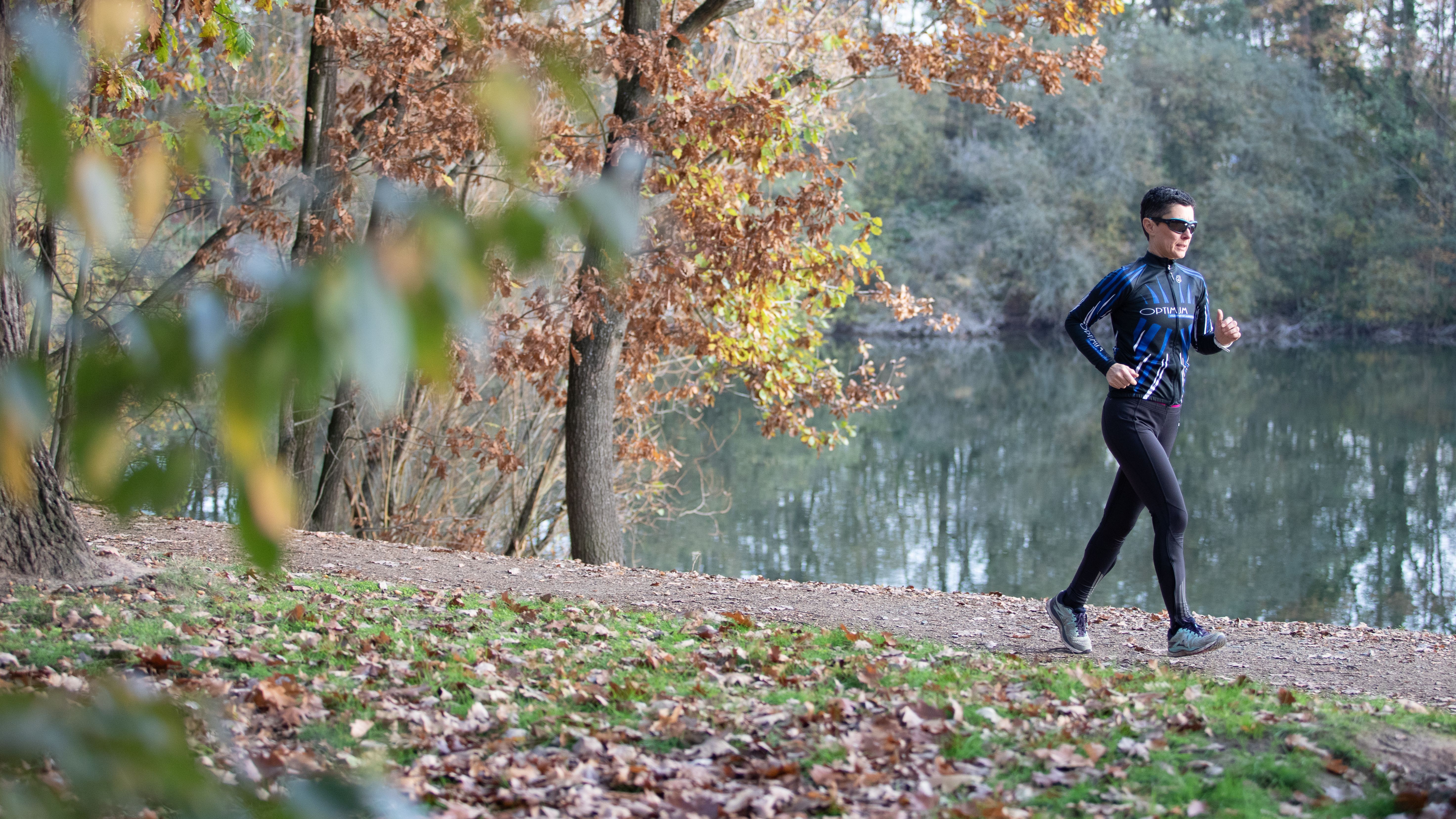
🍂 Fall race prep starts now — why August and not October
| The calendar trap |
| Wait for the temperature to drop before you start building and you'll reach the start line with six weeks of work instead of twelve. Fitness doesn't show up when you need it — it shows up when you built it with time to spare. October is prepared in August. |
| Without a goal race there's no plan — just a habit |
| Running with no date on the calendar means responding to whatever the day hands you: you run when you can, whatever distance you feel like, at whatever pace shows up. That isn't a discipline problem — it's a structure problem. Choosing your race is what turns your miles into a plan. |
| The mistake of peaking too early |
| Adding intensity too soon carries a cost you don't see until the end: you hit your best form three weeks before the race and compete on the way down. Periodization exists precisely so the peak lands on the right day. |
|
|
Your week in three steps
① Pick the race. This week. Date, distance, location. Without that, everything else is improvisation in running shoes.
② Count the weeks backward. From race day to today. That number decides everything: how much base you build and when intensity enters.
③ Build base before speed. Easy volume first. Intensity comes later, when the body can absorb it without breaking.
|
|
|
|
Quote of the week
"Who is initiating the items on your to-do list? When I'm most productive, I decide what I want to create and work on the task that will help build my vision. When I am less productive, I spend my day responding to what someone else sends to me — emails, texts, etc. — and often that means I end up building someone else's vision."
— James Clear
Apply it to your training: who is deciding your miles this week?
|
|
|
 |
|
Track · European Champs
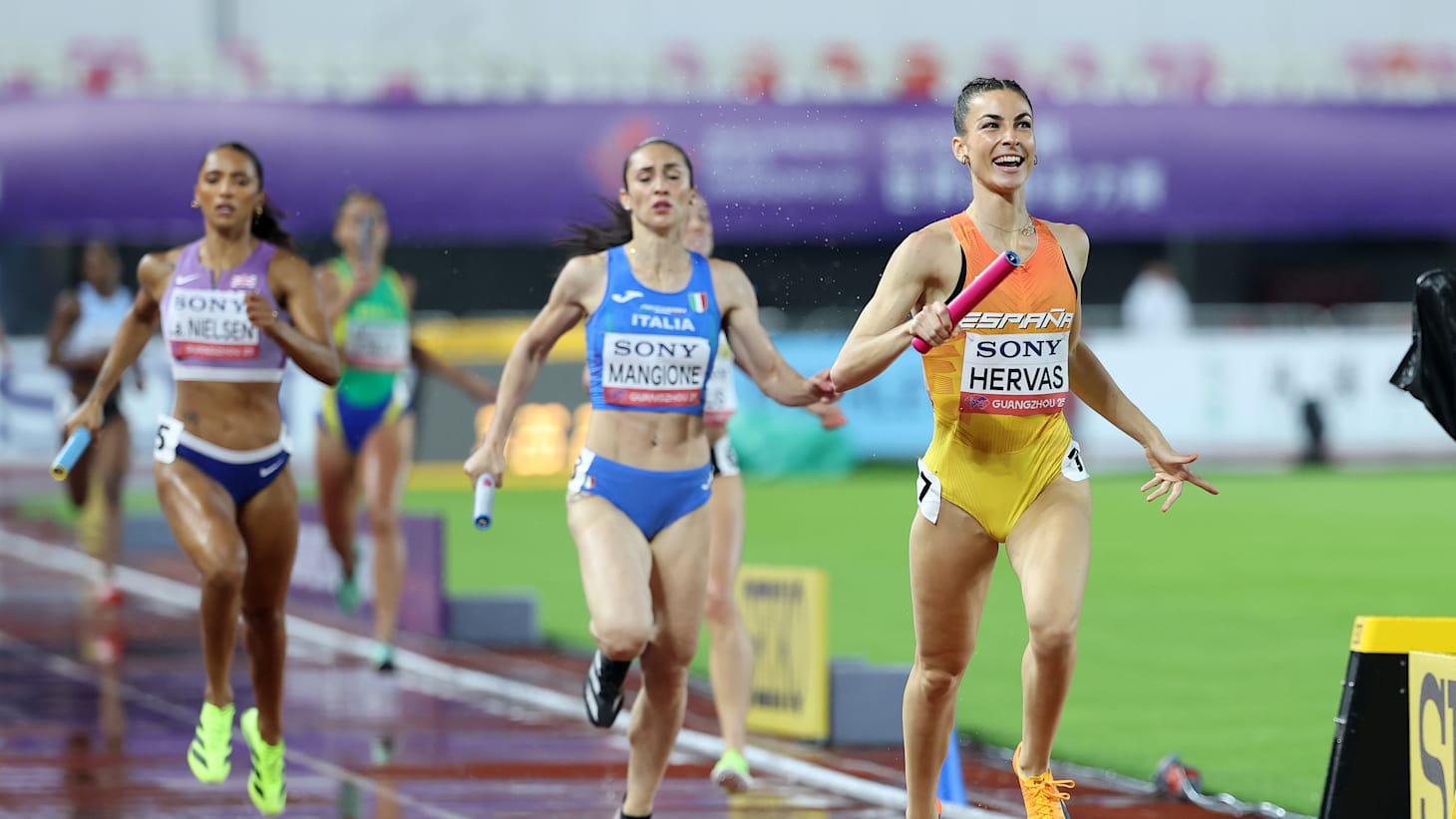
Birmingham closed its first European Championships — 50 titles at Alexander Stadium
From August 10 to 16, the English city hosted the event for the first time. Spain travelled with its largest delegation ever — over 90 athletes — chasing more than the eight medals it took in Rome 2024.
Read more →
|
|
 |
|
Sprint · 100 metres
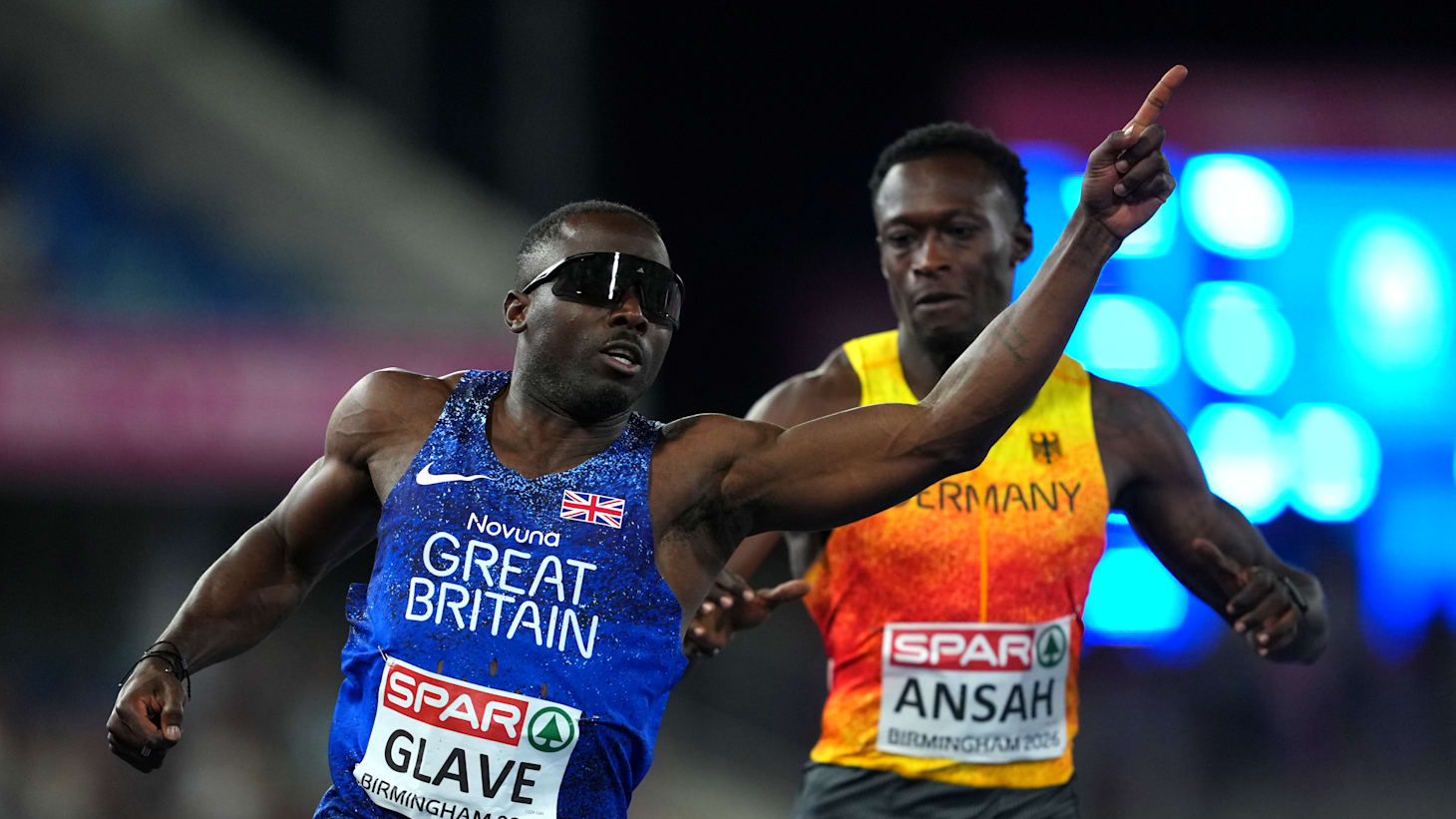
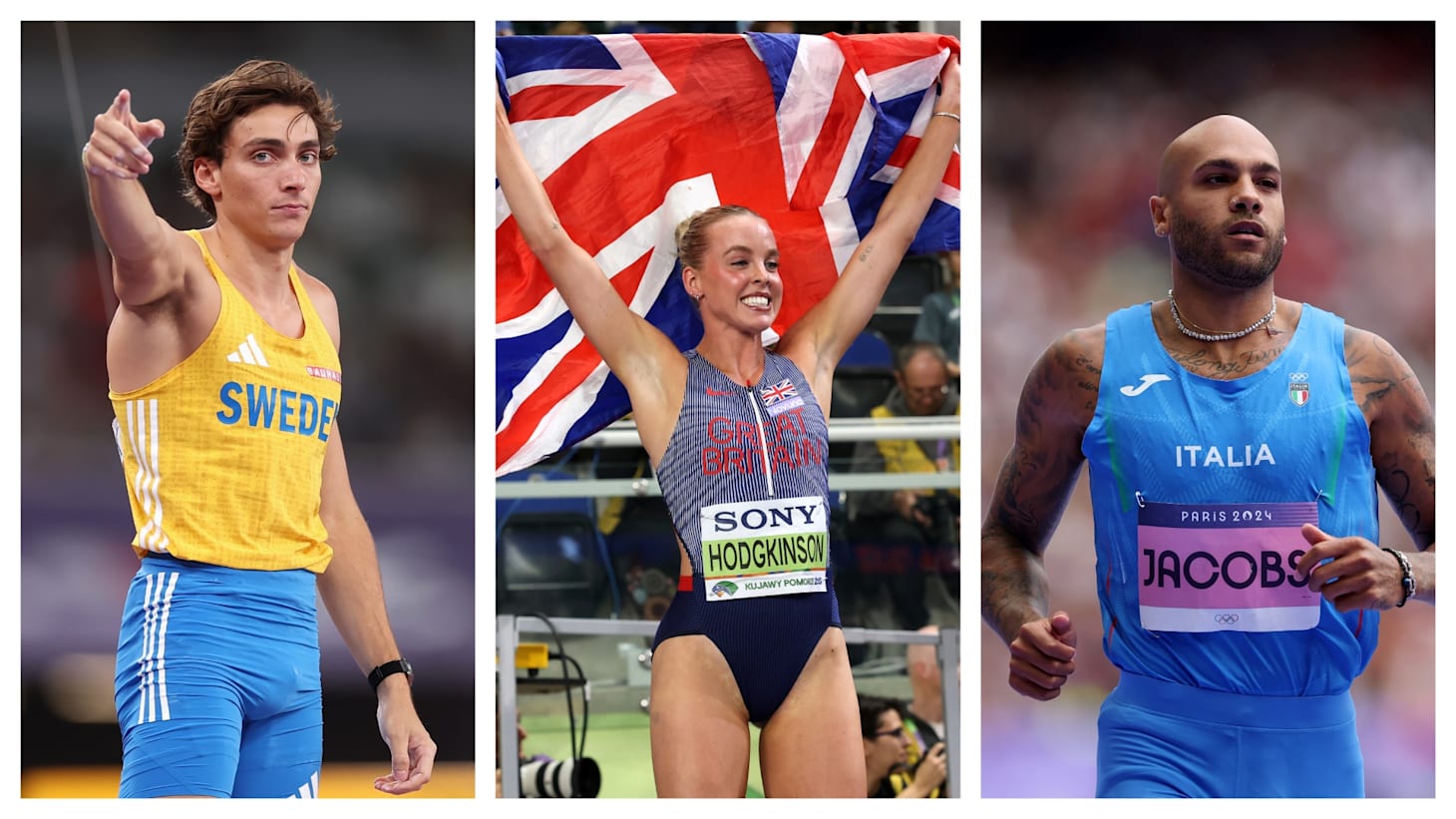
Romell Glave stuns the field with 10.09 — and Marcell Jacobs pulls up mid-final
Nobody had him on the card: European gold running at home. On the other side of the coin, the Olympic champion withdrew with a physical issue. In the 100, the body forgives nothing — and that lesson applies to any runner who ignores a warning sign before a key race.
Read more →
|
|
 |
|
Track · Women's sprint
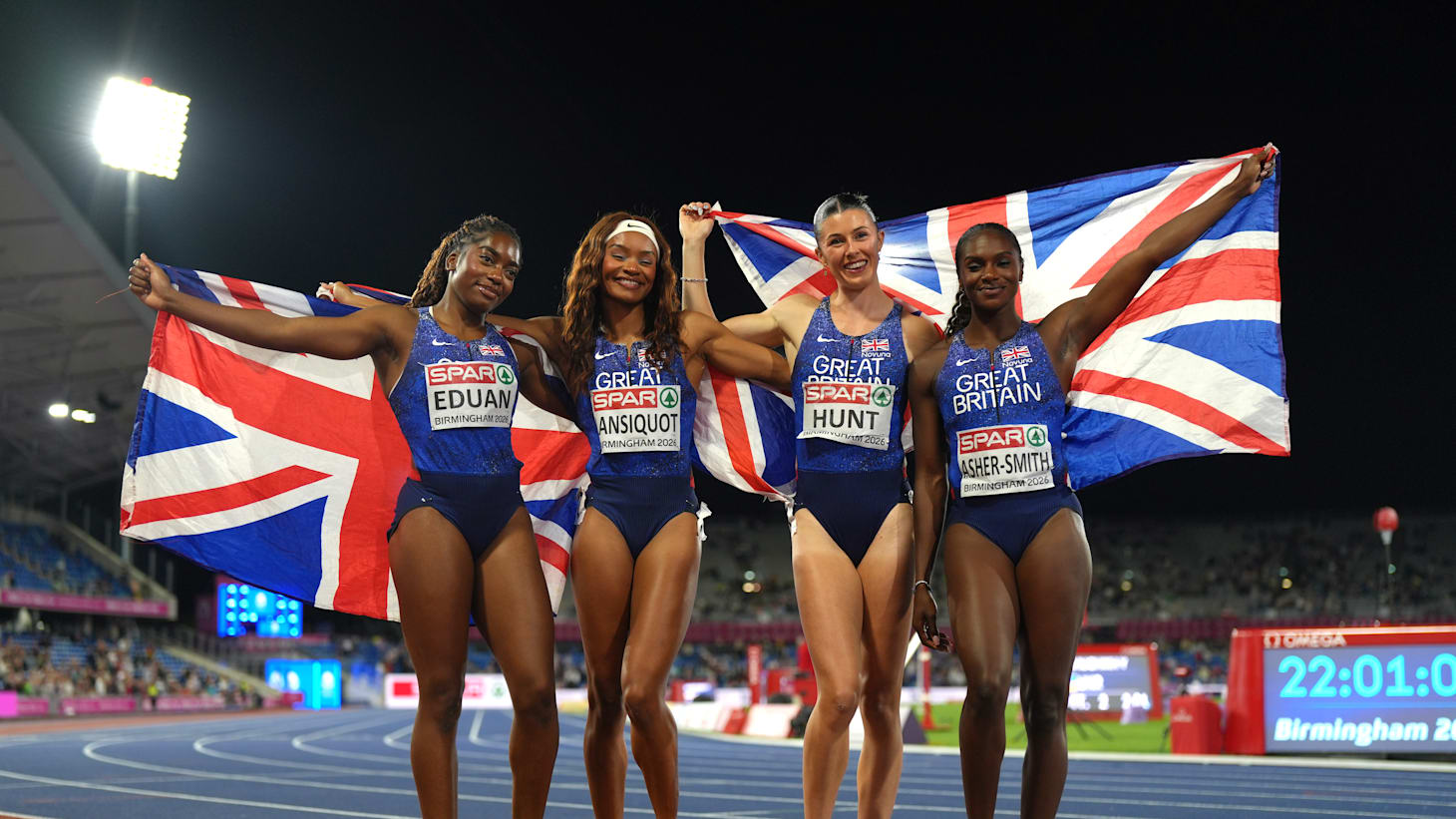
Amy Hunt takes a treble and Dina Asher-Smith matches a historic mark
The interesting part isn't one isolated star: it's a lineage. The established name and the new generation training together, pulling the whole group up. If you train alone, take this as your sign to find people who push you.
Read more →
|
|
 |
|
Distance · Injury return
Ingebrigtsen returns from Achilles surgery — and chose the 5000, not the 1500
Almost a year without racing and the entire 2026 season gone. The detail worth gold: he came back in the event with fewer sharp pace changes, not his signature distance. Risk management, not impatience. If you're returning from injury, copy that.
Read more →
|
|
|
👟 The Weekly Scout
Trending in tech, shoes, watches and gear — with an honest verdict.
|
 |
|
Shoes · Supertrainer
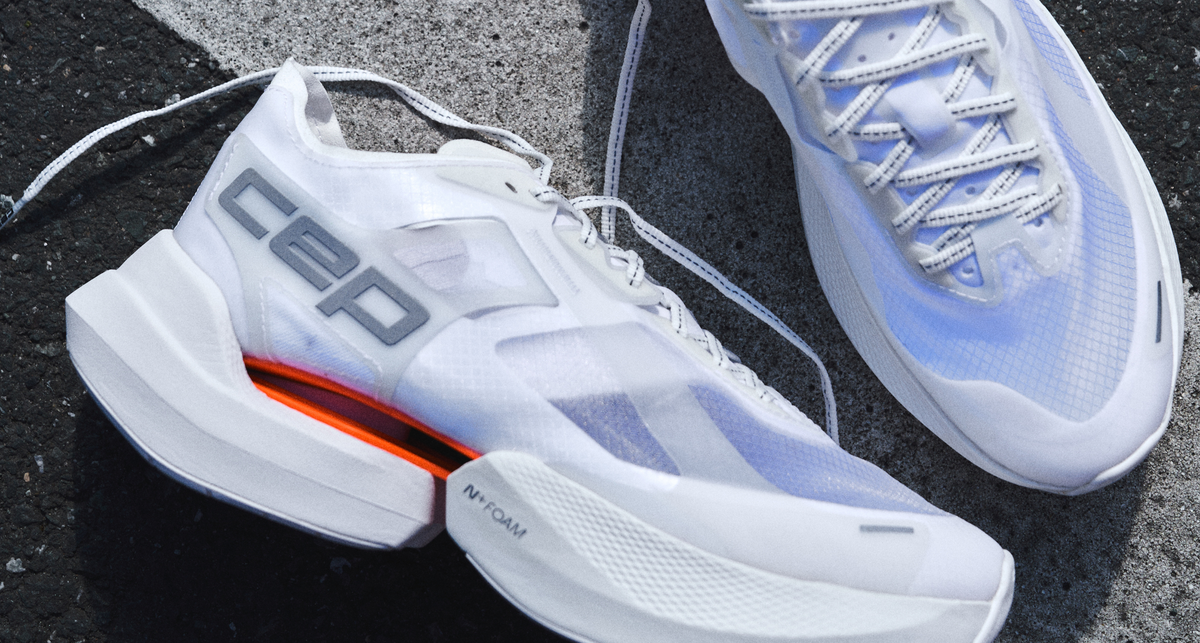
CEP Pro Run Optaspeed BowTech — dual plate and supercritical foam
The compression-sleeve brand steps into plated shoes. 37/30 mm with a 7 mm drop — lower than typical racers, aiming at control alongside bounce. Good for intermediate-to-advanced runners who want versatility. Not for beginners still building base.
See verdict →
|
|
 |
|
Shoes · Launch
Hoka moves three pieces: Clifton 11, the new Clifton Pro and Bondi 7 x Beams
The Clifton 11 is evolution, not revolution — fit tweaks, same CMEVA foam. The real news is the Clifton Pro: more rocker and PROGLIDE+ foam, a bridge between the comfortable trainer and the fast shoe. The Beams collab is pure design.
See verdict →
|
|
|
Gear · Hybrid training
Nike Hybrid: a footwear system for the hybrid athlete
Two models, not one. The Hybrid RN for training (global October 8) and the Hybrid Fly for racing, which won't land until April 2027. If you do Hyrox or competitive CrossFit, this matters. If you're a pure road runner, it doesn't.
See verdict →
|
|
🧠 The thread connecting all three: every launch is selling geometry and foam. But the evidence is consistent on one thing — the durability of your running economy, the kind that holds pace once you're already fatigued, is built with strength work. No plate replaces it. If you're investing in anything this fall, make it two strength sessions a week before a new pair of shoes. |
|
| ✨ Inspiring story |
 |
|
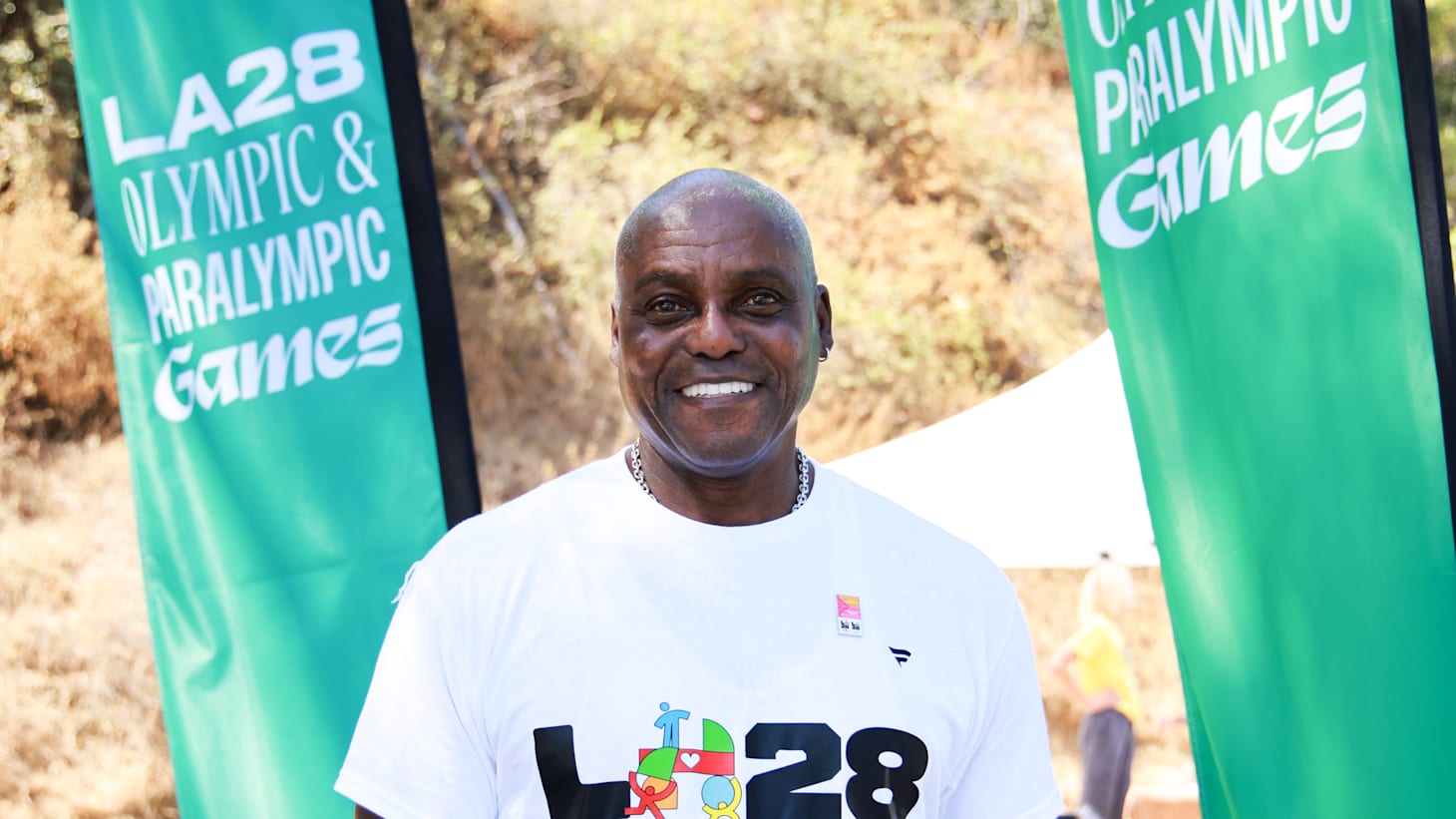
Carl Lewis returns to Los Angeles 44 years later — this time without spikes
In 1984 he won four golds in that city. Today, at 65, he's heading back for LA28 as a coach at the University of Houston, developing the sprinters who will actually be on the line. What stands out most: when his athletes describe his influence, they don't talk about intervals or technique. They talk about support, guidance, an almost fatherly presence.
And the science backs it: perceived fatigue during effort isn't purely muscular — it's deeply shaped by the athlete's emotional state. A coach who builds trust lowers perceived load and improves training adherence.
An athlete's greatest legacy isn't always measured in medals, but in the people they help build afterward. |
Read the full story →
|
|
